
In 2008, Lundberg et al[1] recognized that selecting the appropriate standardized nursing terminology (SLT) to implement within the electronic health record could be a daunting task and asked the authors and stakeholders of the American Nursing Association-recognized standardized nursing terminologies to discuss the various terminologies. All too often, a nursing terminology is implemented with a clinical documentation system for use by nurses, but without input from nursing.
Nurses may be exposed to one or more nursing terminologies from training or prior use. Rationale for selecting one SLT above others is often weak or non-existent. A comparison of commonly implemented nursing taxonomies and standardized languages in today’s healthcare universe is required. At the NANDA® 360 Institute, participants will assess nursing taxonomies and standardized languages in use today globally against three criteria: organizing logic, data capture, and intended use.
The Value of Data in the Age of AI
In the almost 20 years since the Lundberg article was published, secondary use of nursing documentation for semantic interoperability, clinical decision making, clinical reporting and audits, nursing and clinical research, population health, and artificial intelligence support continues to evolve at an accelerated rate. Too often, nurses document once and this documentation is rarely reviewed or reused. Or, nurses utilize structured documentation which does not meet their needs, consequently valuable data is captured within free-text documentation. Artificial Intelligence-enabled technologies for nurses rely upon a solid foundation of terminology in order to be of value to nursing and other disciplines.
Why Nurses Must Lead the Decision
Nursing leaders must be part of the decision-making process for any new documentation technology. Relying on vendor marketing, quick internet searches, or basic AI summaries often leads to biased or inaccurate information.
Decision-makers must thoroughly educate themselves before purchasing or implementing new systems. Selecting the wrong technology creates serious risks, including threats to patient safety and increased clinician burnout.
[1] Lundberg, C., Warren, J.., Brokel, J., Bulechek, G., Butcher, H., McCloskey Dochterman, J., Johnson, M., Mass, M., Martin, K., Moorhead, S., Spisla, C., Swanson, E., & Giarrizzo-Wilson, S. (June, 2008). Selecting a Standardized Terminology for the Electronic Health Record that Reveals the Impact of Nursing on Patient Care. Online Journal of Nursing Informatics (OJNI), 12, (2). Available at http:ojni.org/12_2/lundberg.pdf
About the Author
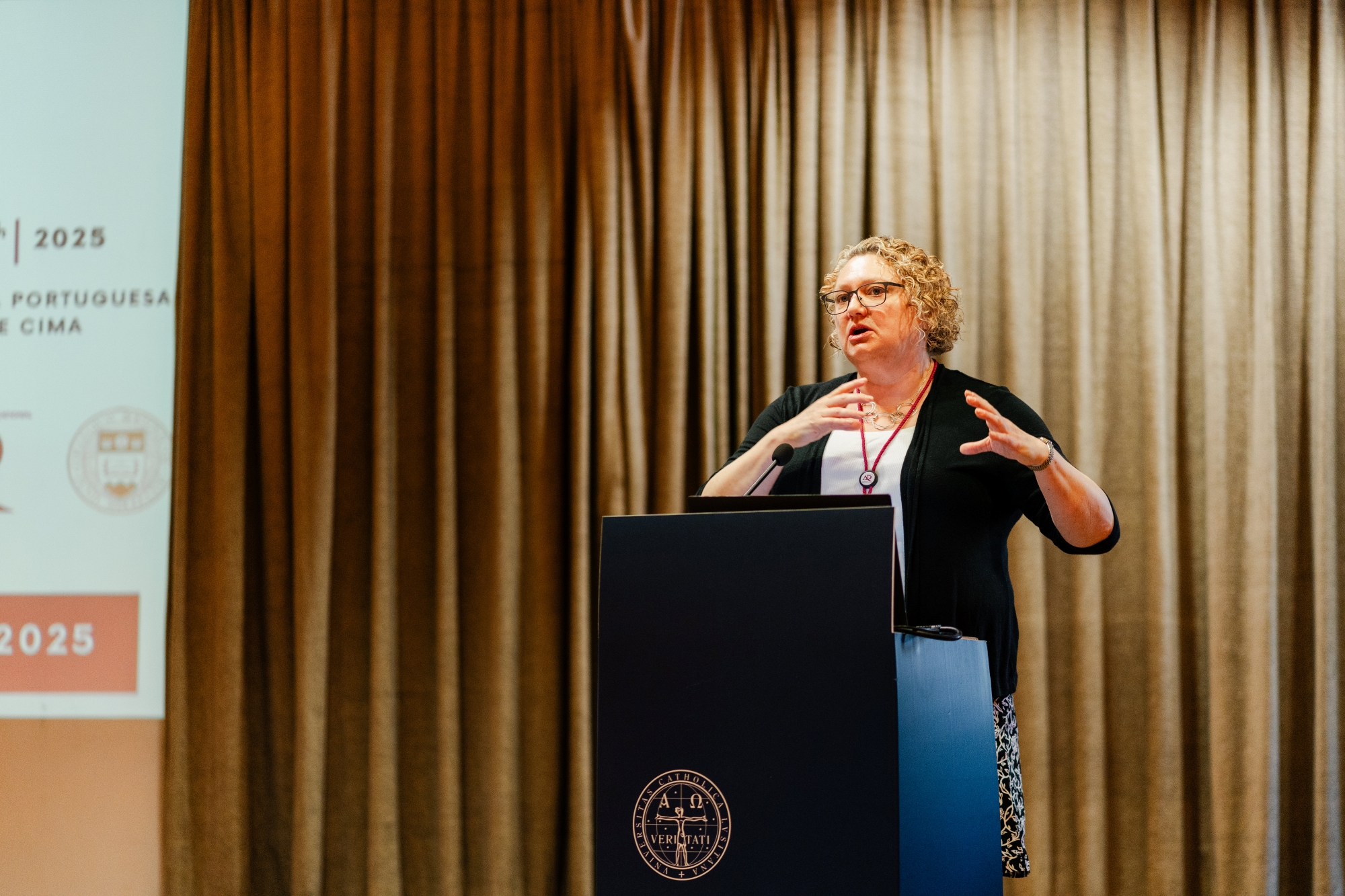
Dr. Christine Spisla, DNP, RN, is Director of Informatics for the International Nursing Knowledge Association (INKA). With more than 20 years of clinical and health informatics experience, she has held leadership roles in electronic health record implementation, clinical terminology, and healthcare data quality. A former Clinical Editor for SNOMED CT, she has published and presented internationally on nursing terminology standards and clinical informatics. She currently leads INKA’s work on mapping the NANDA 360 knowledge base to SNOMED CT, supporting the integration of standardized nursing knowledge into digital health systems.
Comments (0)
Leave a comment