Login Cart

About INKA

Nursing Association

Cart Login Join INKA

From NANDA® International to INKA

The International Nursing Knowledge Association (INKA), formerly NANDA International, builds on more than five decades of work dedicated to advancing nursing knowledge and strengthening the clinical reasoning that guides nursing practice.

INKA focuses on assessment-driven, nursing diagnosis-centered nursing knowledge, the clinical judgments nurses make about patient responses to health conditions, and the reasoning used to guide patient care.

This work began in 1973 at the First National Conference on the Classification of Nursing Diagnoses in St. Louis, Missouri. At this historic meeting, nurse scholars and educators recognized the need for a shared professional approach to describing the clinical judgments nurses make when caring for patients.

The conference led to the establishment of the St. Louis University Clearinghouse for Nursing Diagnoses, adoption of the acronym “NANDA,” and the development of regional chapters across the United States that supported the early development and dissemination of nursing diagnosis classification.

In 1982, this work led to the creation of the North American Nursing Diagnosis Association (NANDA). As participation expanded internationally, the organization became NANDA International, Inc. (NANDA-I) in 2002, reflecting its growing global community of clinicians, educators, researchers, and informaticists.

The name NANDA became widely recognized across the nursing profession. Today it remains an important brand identifier associated with nursing diagnoses and the development of nursing knowledge.

In 2026, the organization adopted the name International Nursing Knowledge Association (INKA) to reflect the broader scope of its work. While the name has evolved, the organization’s purpose remains consistent: strengthening the knowledge that supports nursing practice and advancing the science of nursing worldwide.

INKA’s Mission

To advance nursing knowledge through the development, refinement, dissemination, and responsible use of standardized nursing classifications and assessment-driven, diagnosis-centered clinical reasoning.

INKA’s Vision

INKA envisions a practice in which nursing knowledge is visible, valued, and globally applicable, supported by assessment-driven diagnosis-centered clinical reasoning, standardized classifications, and a clinical reasoning framework that strengthens patient safety and elevates the voice of nurses across health systems worldwide.

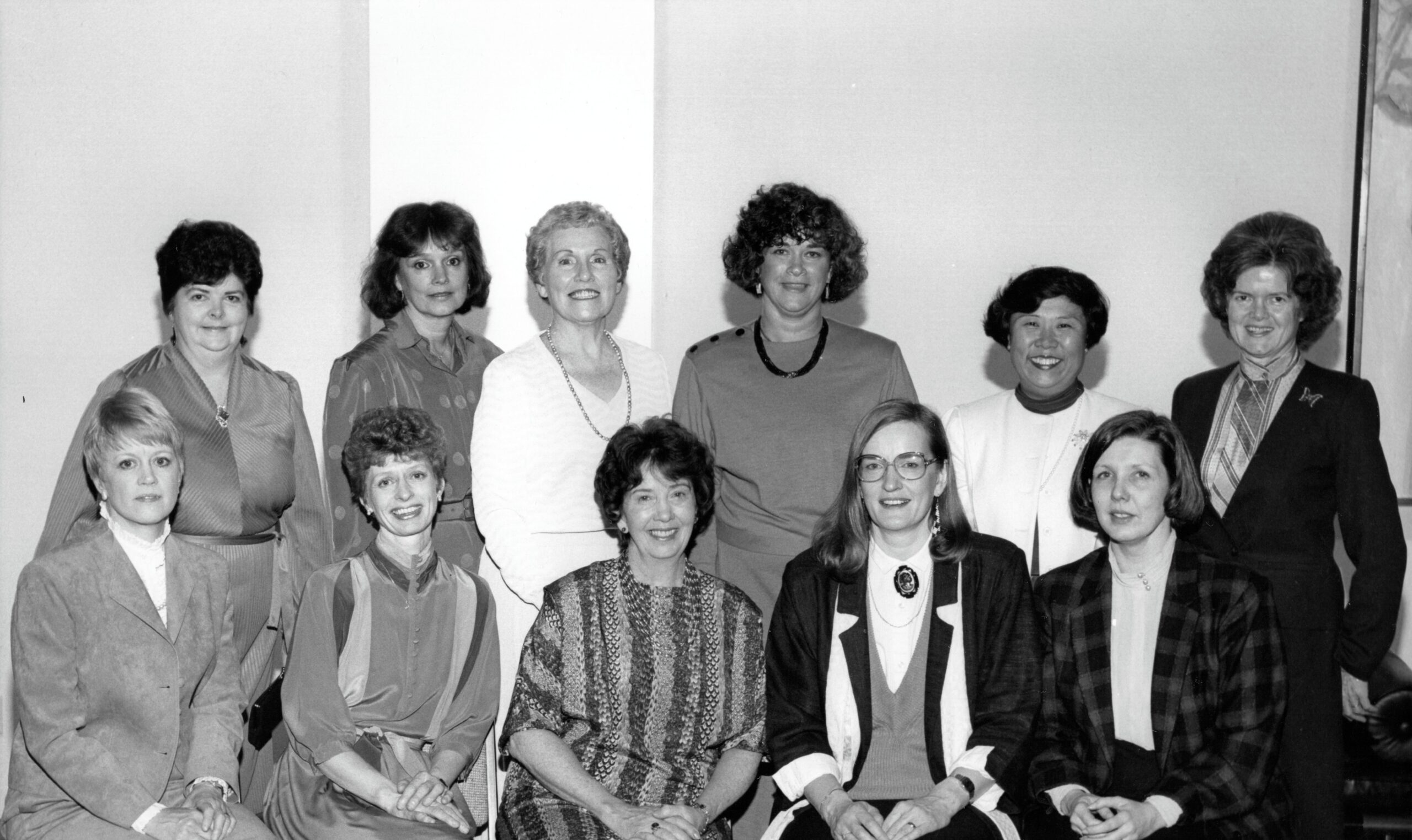
black and white historical photo

Nursing Knowledge and Clinical Reasoning

Every day, nurses make complex clinical decisions about patient care.

They assess patient conditions, interpret clinical findings, identify human responses and health needs, and determine the nursing actions required to support recovery, safety, and well-being. These decisions rely on clinical reasoning: the professional judgment nurses use to interpret patient assessment and determine appropriate care.

Nursing knowledge refers to the professional understanding nurses use to assess patients, identify problems and health needs, plan care, implement nursing actions, and evaluate patient outcomes. This knowledge enables nurses to recognize patterns in human responses, determine appropriate priorities for care, and evaluate the effectiveness of nursing interventions.

For nursing knowledge to support practice effectively, it must be clearly defined, organized, and shared across the profession. Without shared structures, clinical judgments may be documented inconsistently, interpreted differently across settings, and difficult to study or compare in research.

INKA’s work supports an assessment-driven, diagnosis-centered approach to clinical reasoning, in which patient assessment informs nursing diagnoses that guide care planning, nursing actions, and evaluation of outcomes.

This approach helps ensure that nursing care is grounded in clinical reasoning and supported by clearly defined professional knowledge.

Why Nursing Knowledge Must Be Structured

Healthcare systems rely on consistent communication and reliable data. When nursing knowledge is not clearly defined and organized, important aspects of patient care can become difficult to represent across clinical environments.

Without shared structures for nursing knowledge:

  • Nursing diagnoses may be documented inconsistently
  • Patient goals and outcomes responsive to nursing care remain invisible
  • Recognition of interventions that contribute to better outcomes may be missed
  • Nursing contributions to patient care may be difficult to represent in electronic health records
  • Research findings may be difficult to compare across populations and care settings
  • Educational programs may lack consistent structures for teaching clinical reasoning
  • Nursing’s role in interdisciplinary care may be underrepresented

Structured nursing knowledge helps ensure that the professional judgments nurses make are visible, teachable, and usable across practice, education, research, and health systems.

Read More: Why Nursing Knowledge Must Be Structured Read Less
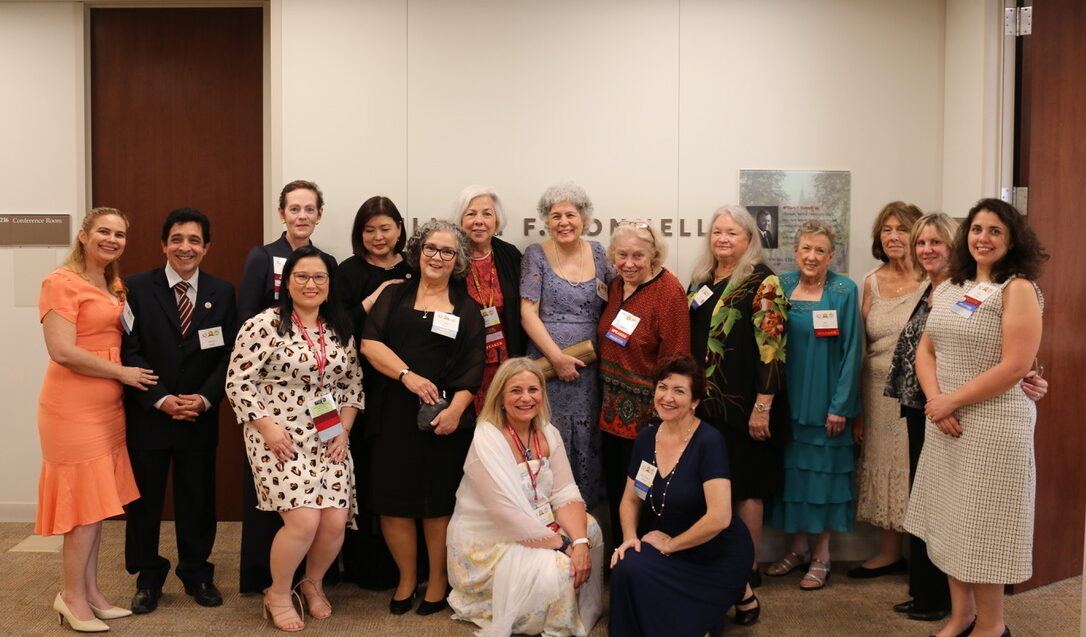
2023 NANDA-I Fellows

How INKA Advances Assessment-Driven, Diagnosis-Centered Nursing Knowledge

Within the discipline of nursing, nursing diagnoses provide a structured way to represent the clinical judgments nurses make about patient responses to health conditions, as identified in individual patient assessments. By identifying patient responses and care needs, nursing diagnoses help guide care planning, nursing actions, and evaluation of outcomes.

For this reason, the development of nursing diagnoses has been a central focus in efforts to define and organize nursing knowledge and clinical reasoning. Clearly defined diagnoses allow the professional judgments nurses make to be communicated consistently, taught in educational programs, and studied through research.

INKA advances this work by leading the development and refinement of evidence-based nursing diagnoses used in practice, education, and research around the world.

INKA advances assessment-driven, diagnosis-centered nursing knowledge through several key activities:

  • Developing and maintaining evidence-based nursing diagnoses used by nurses worldwide to identify patient responses to health conditions and guide nursing care.
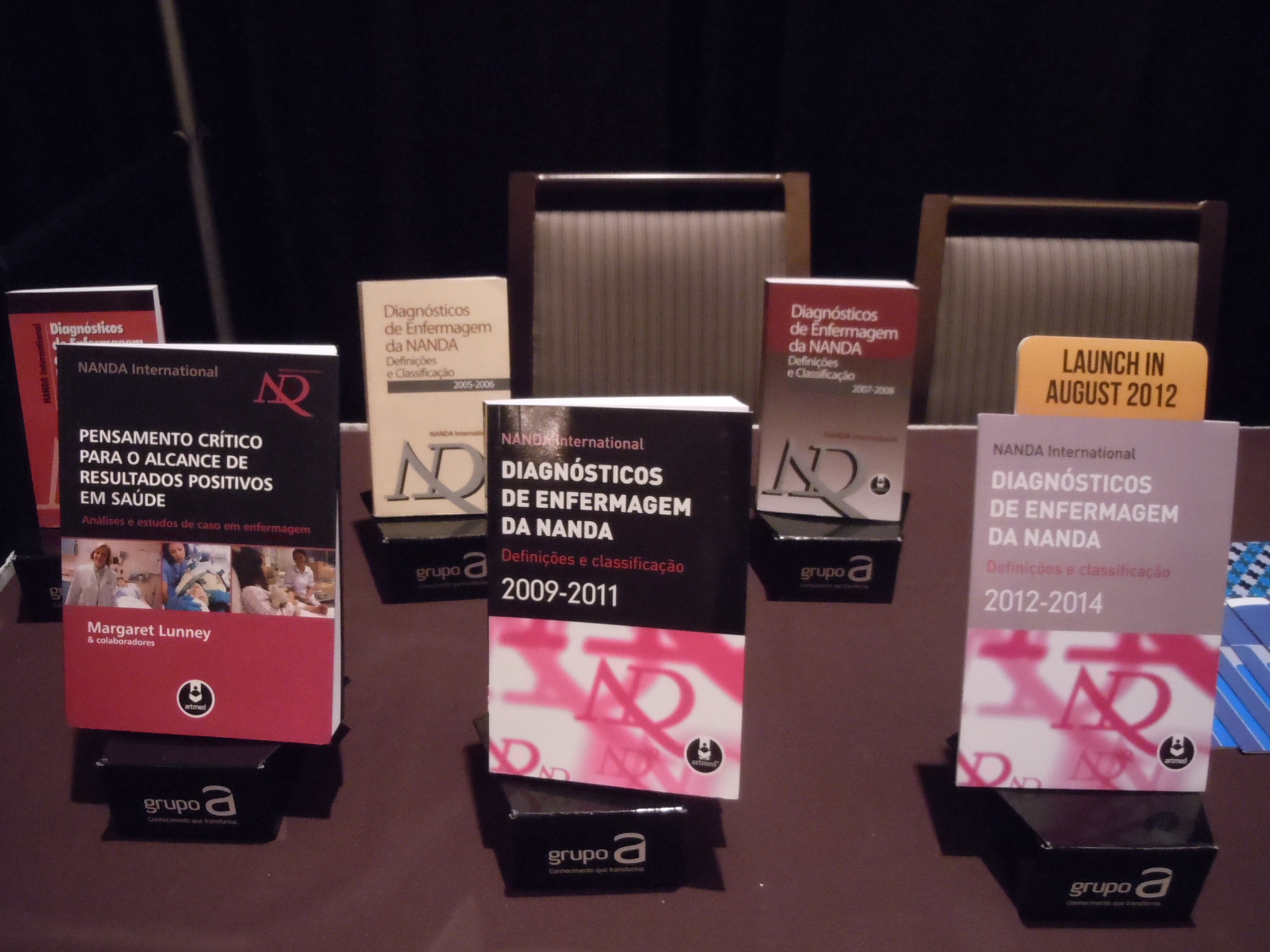
  • Publishing NANDA-I Nursing Diagnoses: Definitions & Classification, one of the most widely used resources for nursing diagnoses in practice, education, and research.
  • Supporting integration of standardized nursing terminology into clinical documentation and digital health systems, helping make nursing contributions to patient care visible and measurable. In informatics and nursing research literature, these classifications are often collectively referred to as standardized nursing language (SNL).
  • Advancing patient safety and quality of care by strengthening the role of evidence-based nursing terminology in clinical decision-making.
  • Funding research through the INKA Foundation (formerly NANDA Foundation), which supports studies that strengthen the evidence base underlying nursing diagnoses and related nursing knowledge.
  • Connecting a global network of nurses and scholars who collaborate across practice, education, research, informatics, and policy to advance nursing knowledge and improve patient care.
nanda books

Nursing Diagnosis as the Foundation of Nursing Knowledge

Nursing diagnoses remain the foundation of INKA’s work and a central component of nursing clinical reasoning. They describe the professional judgments nurses make about patient responses to health conditions, based on holistic assessment data, and provide a structured way to represent those judgments within nursing knowledge.

Building on this assessment-driven, diagnosis-centered foundation, nursing knowledge also includes the goals nurses establish for patient care, the patient outcomes used to evaluate care, and the nursing actions implemented to address patient needs.

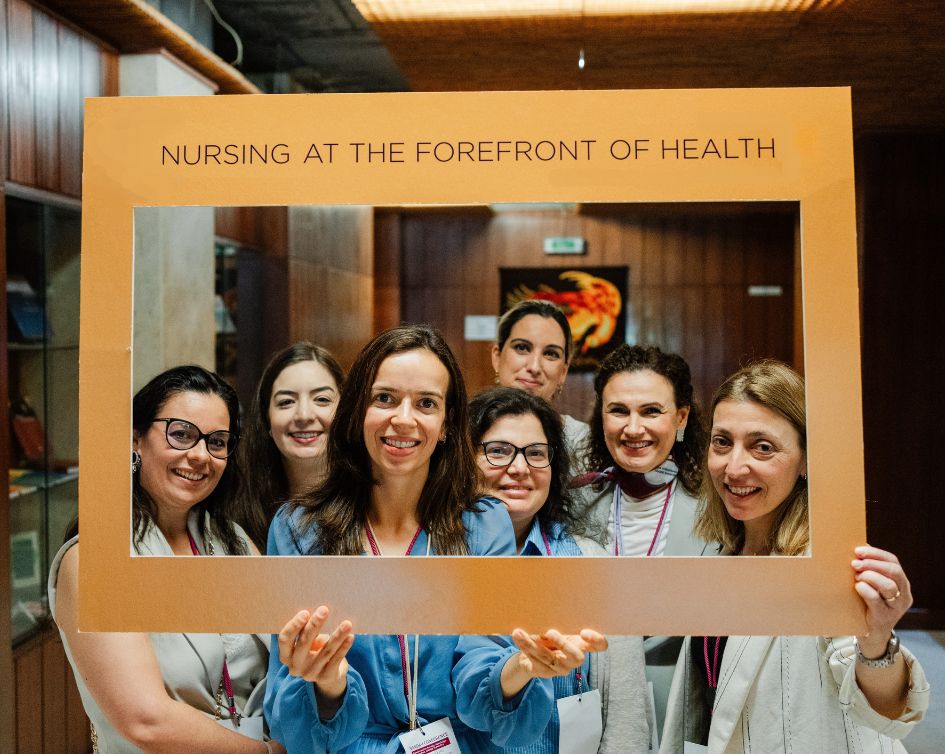
nurses holding banner saying "nursing at the forefront of health"

A Broader Knowledge Structure: Diagnoses, Goals & Outcomes, and Actions

Building on the assessment-driven, diagnosis-centered foundation of nursing knowledge, nursing care also involves defining goals for improvement and implementing appropriate nursing actions.

In practice, nursing knowledge can therefore be understood through three interconnected elements:

Nursing diagnoses
Professional judgments about human responses to health conditions, based on individual patient assessment data.

Patient goals and outcomes
Desired and observed responses resulting from nursing actions that guide evaluation of care.

Nursing actions
Intentional nursing interventions that address patient needs and support outcomes.

Together, these elements represent a structured model of nursing clinical reasoning and the knowledge nurses contribute to patient care.

futuristic image of nurse touching patient data screen

NANDA 360: Expanding the Representation of Nursing Knowledge

As nursing knowledge expands beyond diagnoses alone, nurses increasingly need ways to represent the full structure of nursing clinical reasoning across practice, education, research, and digital health environments.

The NANDA International Nursing Diagnoses: Definitions & Classification has long served as a foundational resource for nursing diagnoses. Building on this work, NANDA 360 represents the next stage in the evolving representation of nursing knowledge, expanding the classification through addition of a clinical reasoning framework and linking nursing diagnoses with patient goals and outcomes, and evidence-based nursing actions.

This structure supports assessment-driven, diagnosis-centered clinical reasoning, helping represent how nurses interpret patient assessment, make clinical judgments, and guide each patient’s individualized plan of care.

NANDA 360 represents an integrated structure for nursing knowledge that includes:

  • Nursing diagnoses: professional judgments about human responses to health conditions
  • Patient goals and outcomes: intended and observed responses to nursing actions used to evaluate care
  • Nursing actions: intentional nursing interventions addressing individual patient needs

Together, these elements support a more complete representation of nursing clinical reasoning and the knowledge nurses use to guide patient care.

Supported by a web-based clinical reasoning framework, NANDA 360 is designed to support nurses in representing and applying nursing knowledge within clinical reasoning, documentation, education, and research.

The publication of NANDA 360 is expected in 2027.

Read More Read Less
international nurse

Serving a Global Nursing Community

INKA’s work supports a diverse international community committed to advancing nursing knowledge and improving patient care.

This community includes:

  • Nurses in clinical practice applying assessment-driven, diagnosis-centered clinical reasoning
  • Nurse educators teaching nursing knowledge and assessment
  • Researchers studying nursing diagnoses, outcomes, and interventions
  • Nurse informaticists integrating classifications into electronic health records
  • Policy leaders seeking clearer representation of nursing contributions within health systems

Through collaboration across countries and disciplines, INKA helps strengthen the visibility and impact of nursing knowledge worldwide.

conference attendees exploring the merchandise table

Suggested Next Steps

To explore INKA’s current classifications and future development:

Join INKA

Join INKA to elevate your voice in the development, refinement, and global adoption of evidence-based nursing knowledge.

Join INKA