
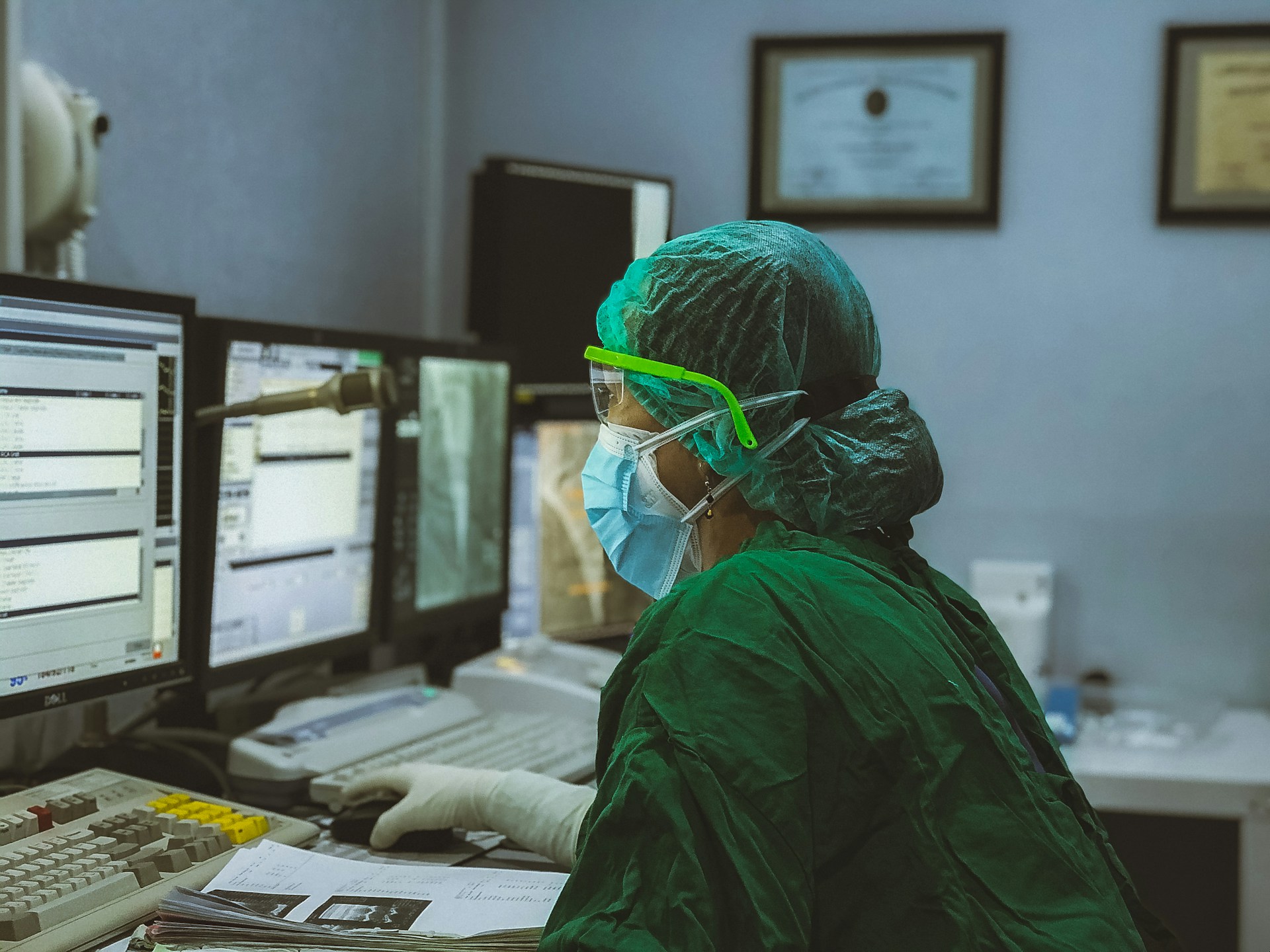
Healthcare environments are becoming increasingly interconnected, data-driven, and technology-enabled. As electronic health records, clinical decision support systems, analytics platforms, and artificial intelligence tools continue to shape practice environments, nursing education must evolve alongside them. Preparing students for contemporary practice requires more than teaching terminology and documentation; it requires helping future nurses understand how nursing knowledge functions within modern digital health environments.
This is where nursing informatics becomes essential.
The work currently underway within the International Nursing Knowledge Association (INKA) Informatics Committee reflects this growing need. Recent committee efforts have included abstract submissions to major informatics and nursing conferences, ongoing mapping work with SNOMED CT, and continued development of interoperability-focused resources that support the integration of standardized nursing language into broader healthcare terminology systems.
At first glance, informatics work can seem distant from everyday nursing education. In reality, it directly influences how nursing knowledge is represented, communicated, retrieved, and applied in clinical practice.
Why Interoperability Matters for Nursing Education
Interoperability refers to the ability of different digital health systems and technologies to exchange, interpret, and use information consistently. For nurses, this means ensuring that nursing assessments, diagnoses, outcomes, and actions are represented in ways that can be understood across healthcare settings, electronic systems, and international contexts.
Standardized nursing terminology plays a critical role in this process.
Modern health information systems rely on concept-based language structures that support consistency, translation, data retrieval, data messaging across entities, and clinical analytics. Terminologies such as SNOMED CT, LOINC, ICD, and NANDA are all part of this larger ecosystem. Their alignment allows nursing knowledge to function within electronic health records and interoperable health data environments in ways that support continuity of care, communication, research, and quality measurement.
For many years, nursing documentation was often viewed primarily as a clinical or legal requirement, something students learned to complete accurately and efficiently. Today, documentation serves a much larger function within digital health environments.
Structured nursing language now contributes to how healthcare organizations measure quality outcomes, identify patterns in patient care, support reimbursement and quality measurement models, conduct research, and increasingly inform AI-assisted technologies. In many ways, the consistency and structure of nursing documentation determines whether nursing assessments and clinical judgments can be reliably interpreted within modern health information systems.
When nursing language is inconsistent, digital health systems struggle to identify what nurses observed, what clinical decisions were made, which interventions were effective, or how nursing care influenced patient outcomes. Information becomes difficult to retrieve, compare, aggregate, or translate across systems. This affects not only interoperability, but also the ability to meaningfully analyze nursing care within increasingly data-driven healthcare environments.
As digital health infrastructures become more dependent on analytics and AI-supported technologies, this challenge becomes even more significant. AI systems, predictive models, and clinical decision-support tools can only work with information they are able to recognize and interpret consistently. This makes the structure and precision of nursing documentation increasingly important, not simply for compliance, but for preserving the integrity and usability of nursing knowledge itself.
For nurse educators, this represents an important shift. Teaching standardized nursing language is no longer solely about helping students “document correctly.” It is about helping future nurses understand how nursing knowledge is communicated, represented, and interpreted within modern digital health environments.
The Role of NANDA 360 in Nursing Education
NANDA 360 offers educators a practical pathway for bringing these concepts into the classroom.
When incorporated intentionally into curriculum, NANDA 360 can help students:
- Strengthen clinical reasoning and diagnostic judgment
- Understand relationships between assessment findings and nursing diagnoses
- Recognize how nursing knowledge is structured and categorized
- Explore how nursing language supports continuity of care
- Develop familiarity with standardized terminology used across digital health systems
- Appreciate the role of nursing data in quality improvement, informatics, and emerging technologies
Importantly, this does not require turning nursing students into informatics specialists. Rather, it helps students become more thoughtful clinicians who understand that clinical reasoning now exists in two environments simultaneously: at the bedside and within digital systems.
This distinction is becoming increasingly important in modern healthcare practice. Nurses continuously adapt communication to the needs, preferences, developmental level, culture, and lived experience of the individual patient. The language used in conversation with a young child, an older adult, or a patient with limited health literacy may differ significantly because therapeutic communication is always individualized and relational.
Documentation, however, serves a different purpose. Within electronic health records and health information systems, nursing language must remain sufficiently structured and standardized so information can be consistently interpreted across clinicians, organizations, technologies, and care settings.
Helping students understand the difference between individualized clinical communication and standardized clinical documentation is an important part of preparing them for contemporary practice. These approaches are not competing priorities; they serve different but complementary functions within healthcare. Similar to how ICD codes are the standardized language used by physicians to document their medical diagnoses, NANDA 360 can be the standardized terminology to document the assessment findings, nursing diagnoses, goals, outcomes, and actions by nursing.
As digital health environments become increasingly dependent on analytics, interoperability, and AI-supported technologies, this distinction becomes even more important. Digital systems can only analyze patterns they are able to recognize consistently. The structure and precision of nursing documentation therefore influence how nursing knowledge is retrieved, interpreted, communicated, and used across healthcare environments.
Nurses entering practice today need to understand that the language they use influences far more than the patient record. It shapes continuity of care, quality measurement, research visibility, and the integrity of the nursing data that digital health technologies increasingly rely upon.
A knowledge base such as NANDA 360 helps students begin connecting clinical reasoning with these larger realities of practice. Students are not simply learning terminology; they are learning how nursing knowledge becomes structured, shareable, measurable, and usable within real-world healthcare environments.
Preparing Nurses for the Future of Practice
Nursing informatics is no longer a specialty topic relevant only to technology-focused nurses. It is becoming foundational to safe, effective, evidence-informed practice across healthcare environments.
As educators consider how to integrate NANDA 360 into curriculum, there is an opportunity to introduce students to the broader role nursing language plays in interoperability, clinical reasoning, healthcare communication, and data-driven practice.
The future of nursing education will require graduates who can think critically, communicate effectively, and navigate increasingly complex digital health environments. Standardized nursing language and the informatics principles that support it are essential parts of that preparation.
By integrating tools such as NANDA 360 into nursing curriculum, educators can help students better connect nursing knowledge, clinical judgment, patient-centered care, and the realities of contemporary healthcare practice.
Comments (1)
May 25, 2026
Excelente en la era de la IA no dejar de lado la tecnología es una estrategia inteligente, antes bien hacerla parte del cuidado para llegar a potenciar el conocimiento.👏🏽
Leave a comment